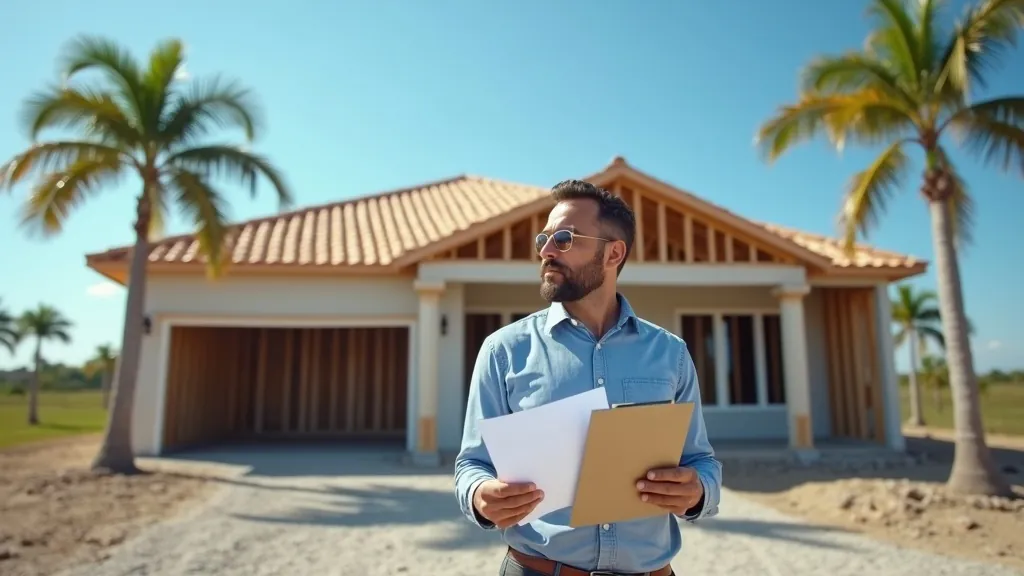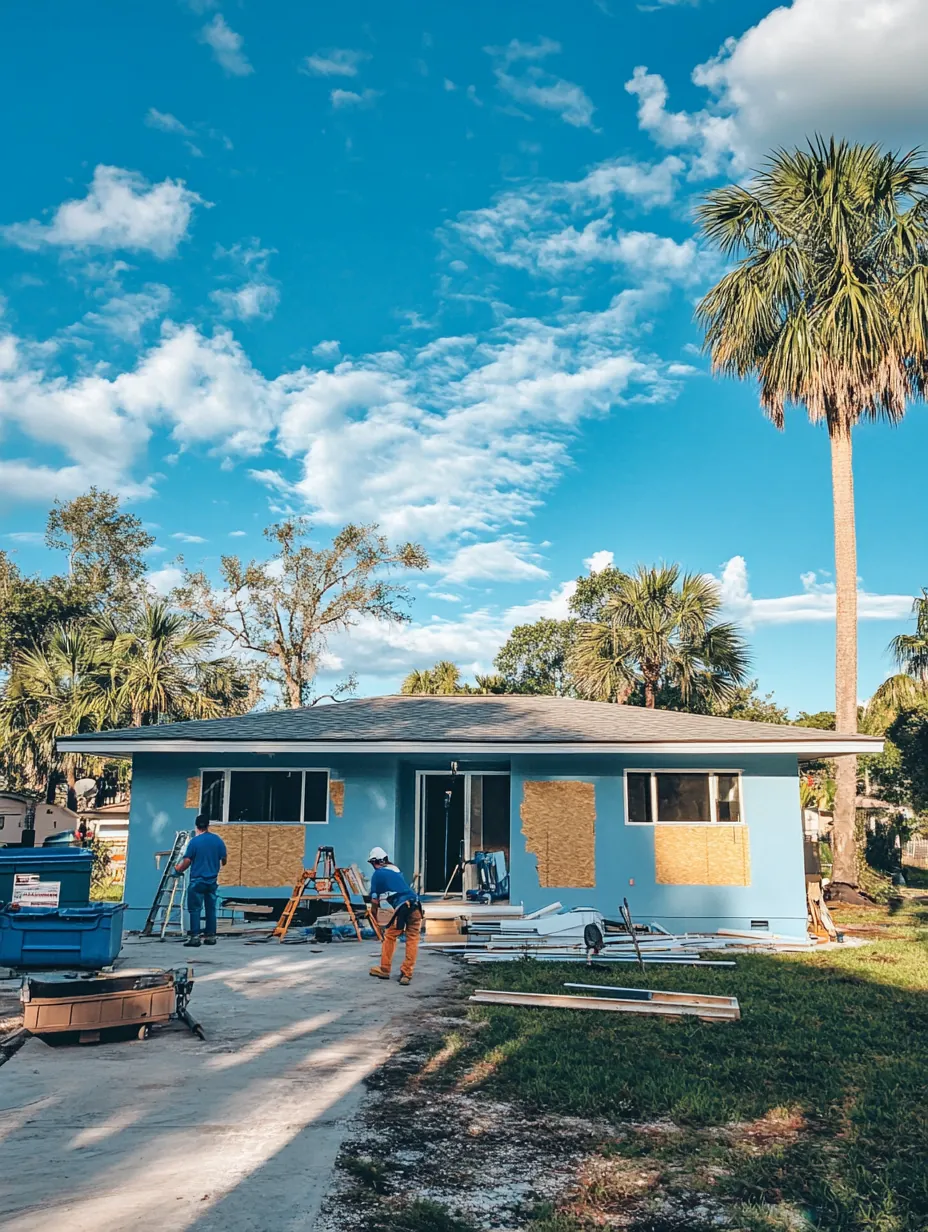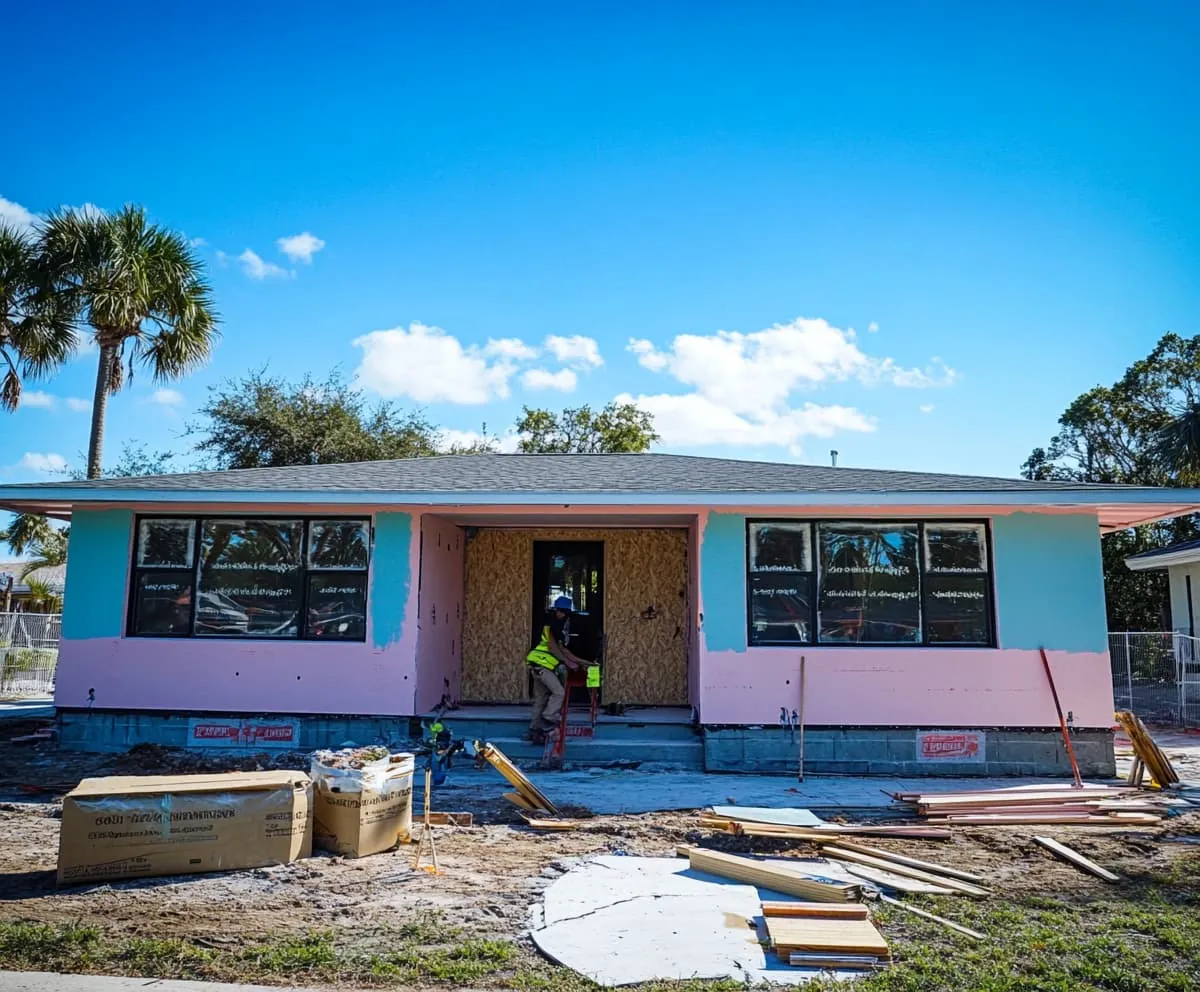
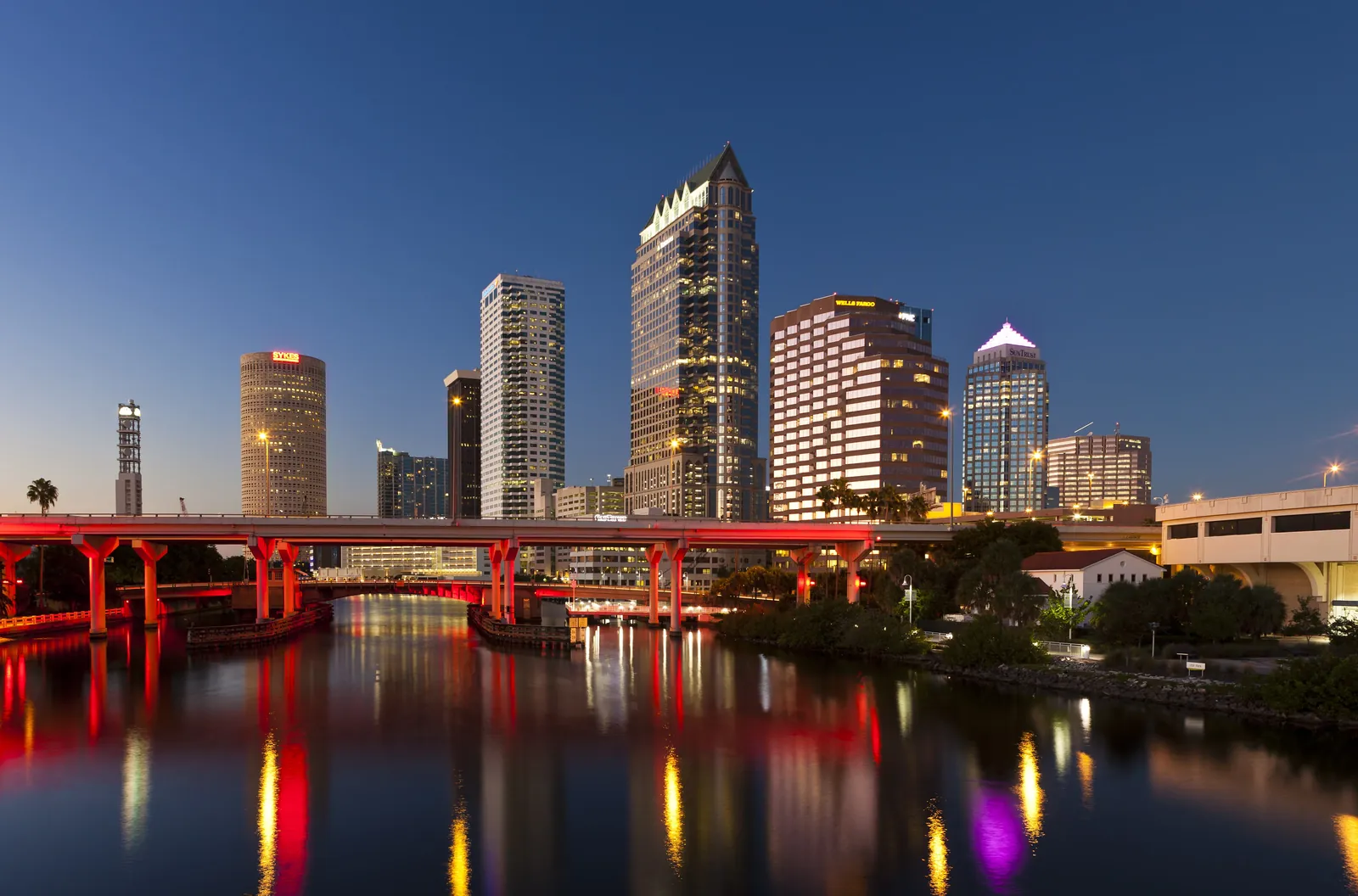
A house in St. Petersburg, a rental property in Brandon, and a renovation project in New Port Richey can look attractive on paper.
They're not the same investment.
Different neighborhoods attract different buyers and tenants. Property conditions vary. Insurance and flood exposure can change from one street to another. A renovation that makes sense in Tampa may not produce the same result in Clearwater or Bradenton.
And when you're using short-term financing, those differences matter.
Tampa Bay real estate investing requires understanding the property's local market, its condition, the capital needed to complete the project, and the strategy for eventually selling or refinancing it.
For investors using hard money or private financing, location isn't simply an address on a loan application. It influences the value a lender may accept, the property's marketability, its insurance requirements, and the credibility of the repayment plan.
This guide covers Tampa, St. Petersburg, Clearwater, Largo, Pinellas Park, Brandon, Wesley Chapel, New Port Richey, Sarasota, and Bradenton.
These communities make up the central markets served by Ron Stevenson, a Florida mortgage broker who works with private and institutional lenders. Ron says most of the deals he sees are in St. Petersburg and Tampa, and that he has placed all types of hard money loans in each of these ten markets.
The objective isn't to declare one city the best place to invest.
It's to help you recognize what needs to be investigated before committing to a property.
Is Tampa Bay a Good Place to Invest in Real Estate?
Tampa Bay offers investors several types of real estate, including established residential neighborhoods, suburban housing, older properties needing renovation, rental properties, commercial buildings, and redevelopment opportunities.
But the regional name doesn't describe a single housing market.
A waterfront condominium, an older block home, a suburban rental, and a neighborhood commercial building have different buyers, financing requirements, operating expenses, and risks.
The property's location affects demand, but location alone cannot establish that a transaction will be profitable.
The more useful question is:
Does this specific property, in this specific neighborhood, support the investment strategy and financing being proposed?
A prospective flip needs evidence of what comparable renovated homes have sold for.
A rental needs an income plan supported by local rental evidence and realistic operating expenses.
A commercial acquisition needs an assessment of tenants, property use, operating income, and the intended holding period.
An investor purchasing distressed property needs to understand whether repairs, permits, insurance, and resale demand support the project.
Regional housing reports can provide useful background. The Tampa Bay Economic Development Council publishes regional economic and real estate information.
For an individual acquisition, recent comparable transactions and property-level investigation deserve greater weight than broad regional headlines.
Tampa Bay Investment Markets at a Glance
The following overview identifies different property-review priorities across Ron's primary lending area.
| Market | Property considerations worth investigating |
|---|---|
| Tampa | Established neighborhoods, redevelopment districts, historic-property restrictions, rental and resale comparables |
| St. Petersburg | Older housing, renovation potential, coastal exposure, condominium conditions |
| Clearwater | Inland residential property versus beach and waterfront assets, flood exposure, insurance |
| Largo | Established housing stock, infill, redevelopment, parcel-specific land use |
| Pinellas Park | Residential and commercial property, stormwater drainage, floodplain restrictions |
| Brandon | Suburban rentals, neighborhood-level values, property condition, county zoning |
| Wesley Chapel | Planned communities, association obligations, newer construction, resale competition |
| New Port Richey | Older homes, river and coastal flood exposure, rehabilitation, city jurisdiction |
| Sarasota | Coastal versus inland locations, building condition, historic-property issues, insurance |
| Bradenton | Established neighborhoods, redevelopment areas, renovation feasibility, flood-related permits |
These are due-diligence priorities, not claims that every property within a particular city shares the same characteristics.
A property's street address, parcel records, flood mapping, condition, and immediate comparable market determine which issues matter.
Where Tampa Bay Investors Misjudge Local Values
Before the city-by-city detail, one point applies across all ten markets: the biggest valuation errors usually come from the comparable sales an investor chooses.
Ron sees four mistakes repeatedly.
1. Drawing comps by radius instead of by real boundaries
Investors often pull every sale within a fixed distance of the property.
Local markets don't follow circles. A major highway, a school-district line, a municipal border, or a railroad track can separate two homes that look identical on a map.
A house 400 yards away may sit in a premium school zone or a gated enclave. A lender may not accept it as a comparable for a property on the other side of that line.
2. Treating list prices as sold prices
An active listing shows what a neighbor hopes to get. A closed sale shows what a buyer paid.
Lenders look at closed, settled transactions. Basing an after-repair value on what nearby sellers are asking is a common mistake.
The opposite error happens too. Relying only on closed sales from six to nine months ago can miss a seasonal shift or a change in interest rates.
3. Using a premium renovation as a comp for a basic one
If a nearby house sold for a high price after a full renovation, that doesn't mean a lighter renovation will sell for the same amount.
Premium comparables often involve changes a basic remodel doesn't include: an opened-up floor plan, vaulted ceilings, new mechanical systems, or a down-to-the-studs rebuild. If your scope is flooring, paint, and stock cabinets, your finish level may not support that price tier.
Historic-preservation sales and custom flips belong in a different bucket than a cosmetic update.
4. Assuming price scales evenly with square footage
When close comps are scarce, investors sometimes pull a home that is much larger or smaller and apply a flat price-per-square-foot figure.
Price doesn't scale that neatly. A home with twice the living area rarely sells for twice the price on the same street.
As a rule of thumb, Ron treats a comp whose living area differs by more than about 20% as a warning sign. The buyers for very different sizes of home are often different people.
Tampa Real Estate Investing: Different Neighborhoods, Different Deals
Tampa is a broad investment market containing established residential communities, urban redevelopment districts, commercial corridors, and suburban neighborhoods.
Investors need to narrow their analysis to the neighborhood and property type under consideration.
Established neighborhoods and renovation projects
Areas such as Seminole Heights, Tampa Heights, West Tampa, and parts of the city's older residential communities may attract investors evaluating existing housing stock.
But older property doesn't automatically mean an attractive renovation opportunity.
Roof age, electrical systems, plumbing, structural condition, previous alterations, and insurance availability can affect both financing and the investment's financial outcome.
Investors should verify the property's permitted use and determine whether historic-preservation requirements apply.
Tampa maintains local historic districts, including Hyde Park, Seminole Heights, Tampa Heights, and Ybor City.
Some exterior changes to designated properties require additional review. The City of Tampa Historic Preservation office provides district information and review procedures.
Redevelopment and commercial property
Tampa has designated Community Redevelopment Areas, including downtown, East Tampa, Drew Park, West Tampa, and Ybor City.
These designations are relevant to land-use planning and redevelopment activity.
They do not guarantee appreciation or make every nearby property a suitable investment.
For commercial or mixed-use acquisitions, check zoning, permitted uses, building condition, tenant arrangements, and any applicable district requirements.
What matters for financing in Tampa?
The lender may examine the current property value, condition, transaction structure, insurance, borrower qualifications, and expected payoff.
For a renovation project, the proposed improvements need to match the likely buyer market.
For a rental acquisition, the planned refinance or rental income should be supported by realistic assumptions.
Tampa investor question: Are you evaluating the actual neighborhood and property, or relying on Tampa's reputation as a whole?
Read about hard money loans in Tampa.
St. Petersburg Real Estate Investing: Older Homes, Renovations, and Coastal Considerations
St. Petersburg offers an assortment of established residential neighborhoods, downtown properties, multifamily buildings, and coastal real estate.
That variety creates different financing questions.
Renovating older St. Petersburg properties
An investor considering an older home may encounter deferred maintenance, outdated mechanical systems, roof concerns, or previous work requiring permit investigation.
A property may look like a cosmetic renovation until qualified inspections identify more substantial work.
Before purchasing, investors should examine the repair scope and whether the completed property would realistically compete with nearby renovated homes.
Comparables should reflect the same local buyer market, not simply the same city.
Waterfront and coastal properties
Properties nearer the waterfront can introduce additional insurance and flood-related concerns.
Flood mapping, storm-surge exposure, elevation, prior damage, and the property's insurability deserve investigation.
It's a mistake to assume that a property farther from open water has no flood risk.
Pinellas County provides official flood hazard and evacuation resources.
Condominiums and multifamily buildings
Condominiums involve questions beyond the individual unit.
Association financial obligations, insurance responsibilities, restrictions, assessments, building condition, and the eligibility of the property for future financing can affect an investor's decision.
For multifamily investments, current leases, expenses, occupancy, and condition may be central to underwriting.
What matters for financing in St. Petersburg?
The exit strategy should account for the property's condition, prospective buyer or tenant market, and available financing options at payoff.
St. Petersburg investor question: Will the property's actual condition, insurance requirements, and neighborhood comparables support the intended resale or refinance?
Read about hard money loans in St. Petersburg.
Clearwater Real Estate Investing: Inland Properties and Waterfront Risks
Clearwater is a useful example of why a city name alone is insufficient for evaluating real estate.
A residential property inland and a property on Clearwater Beach can have substantially different risk profiles.
Inland investment properties
For a conventional residential acquisition, investors should evaluate local comparable sales, rental potential, property condition, roof age, renovation costs, and insurance.
An older property may offer renovation potential, but projected improvement value needs market support.
For rental financing, income expectations must reflect the actual neighborhood and property.
Beachfront and island properties
Clearwater Beach, Sand Key, and Island Estates present additional considerations involving coastal exposure, floodplain standards, insurance, and property-specific development requirements.
Clearwater's Construction Services Division maintains information about building permits and flood elevations.
The city uses additional vulnerability-assessment information for certain coastal parcels.
Review the City of Clearwater's construction and flood information early in the acquisition process.
Short-term rental assumptions
Investors contemplating vacation or short-term rental use should verify applicable municipal, county, condominium, and association restrictions for the particular address.
Tourist demand alone doesn't establish that a proposed rental use is lawful or financially viable.
What matters for financing in Clearwater?
An acceptable appraisal and insurance arrangement are significant, especially for properties with coastal exposure or unusual characteristics.
Clearwater investor question: Have you confirmed what this property can legally be used for and what insurance will be required?
Read about hard money loans in Clearwater.
Largo Real Estate Investing: Established Neighborhoods and Infill Potential
Largo deserves evaluation on its own terms rather than being treated simply as the area between Clearwater and St. Petersburg.
The city includes established residential neighborhoods, commercial corridors, and areas designated for redevelopment and infill.
Renovation opportunities
For an older home, investors should examine the property's condition, permitted work, and comparable finished properties.
The value of improvements depends on the surrounding market and the quality of competing housing.
An expensive renovation may not be justified merely by the acquisition price being attractive.
Infill and redevelopment
Largo has land-use classifications addressing established residential areas, mixed-use corridors, and redevelopment opportunities.
The city's development regulations determine what activities and improvements may be permitted on a specific parcel.
For properties involving additional dwelling units, changes in use, redevelopment, or more extensive construction, check the applicable designation before making the purchase.
Review Largo's land-use regulations.
What matters for financing in Largo?
The lender needs a supportable current value and a credible plan for the property's intended use.
A redevelopment proposal may need different underwriting from an ordinary residential purchase.
Largo investor question: Is the proposed investment permitted on the parcel, and will the completed property be supported by relevant comparables?
Read about hard money loans in Largo.
Pinellas Park Real Estate Investing: Residential, Commercial, and Drainage Considerations
Pinellas Park includes established residential areas, business properties, and commercial corridors.
Investors may evaluate houses requiring improvements, rental properties, small commercial assets, and other eligible real estate.
Residential investment considerations
For a rental or renovation property, review the neighborhood's housing stock, current condition, comparable transactions, and expected buyer or tenant demand.
Property inspections should address drainage and evidence of previous water intrusion, not merely interior finishes.
Floodplain and stormwater conditions
Pinellas Park identifies flooding and stormwater management as local concerns.
The city provides assistance with property flood information, floodplain management, and related development questions.
Review Pinellas Park's flood-protection guidance and verify the conditions affecting the individual property.
A property doesn't need to be directly on the waterfront to warrant drainage investigation.
Commercial financing
For commercial properties, lenders may need information about the intended use, existing leases, occupancy, operating income, and building condition.
Zoning and development constraints matter when the plan involves changing or expanding a property's use.
What matters for financing in Pinellas Park?
Investors should resolve significant condition, drainage, insurance, and land-use questions before expecting a reliable closing schedule.
Pinellas Park investor question: Does the property's actual condition support your plan, including drainage and potential future use?
Read about hard money loans in Pinellas Park.
Brandon Real Estate Investing: Suburban Rental and Resale Analysis
Brandon is part of the broader Hillsborough County investment market, but its property analysis should not be confused with downtown Tampa or Tampa's older urban districts.
Investors evaluating Brandon may encounter established subdivisions, suburban rental properties, houses needing modernization, and commercial real estate.
Residential rental properties
A prospective rental acquisition needs supportable rental income, realistic operating expenses, and an understanding of neighborhood-level demand.
Compare properties of similar size, condition, and location.
A rental projection based on the strongest advertised rent in the area may not support a credible financing strategy.
Renovation and resale
For a house being renovated for sale, examine the features buyers expect in the relevant subdivision or neighborhood.
A renovation's value isn't determined only by what the investor spends on it.
Recently closed comparable sales provide a more defensible basis for estimating the completed property value.
Zoning and permits
Brandon properties are commonly located in unincorporated Hillsborough County.
Investors should verify the property's jurisdiction and applicable development requirements.
Hillsborough County Development Services handles zoning, permitting, and development review for unincorporated areas.
What matters for financing in Brandon?
Residential investors should document property value, existing condition, expected rent or resale value, and the intended repayment plan.
Brandon investor question: Have you compared this property against similar homes in its immediate area rather than using broad Tampa-area assumptions?
Read about hard money loans in Brandon.
Wesley Chapel Real Estate Investing: Planned Communities and Newer Housing
Wesley Chapel is a Pasco County community associated with significant residential and commercial development.
That creates an investment environment different from older urban neighborhoods dominated by existing housing stock.
Newer homes and competing inventory
An investor purchasing a relatively new home should evaluate its condition and pricing against comparable existing properties and competing new construction where relevant.
A resale strategy can be affected by builder inventory, incentives, community amenities, and buyer preferences.
The price of a new home advertised by a builder isn't automatically comparable with the value of an investor-owned resale property.
Planned communities and association obligations
Certain properties may involve homeowners associations, community development district assessments, leasing restrictions, or other ongoing obligations.
These aren't universal across Wesley Chapel.
Investors should examine the actual subdivision's governing documents, tax bill, association information, and property records.
For a rental project, verify the permitted rental use and the obligations that accompany ownership.
Commercial and land transactions
Properties intended for commercial development or future construction may require review of zoning, utilities, access, permitted uses, and development approvals.
A vacant parcel shouldn't be treated as an ordinary residential lending transaction.
What matters for financing in Wesley Chapel?
The property's current value, competing inventory, ownership obligations, and proposed exit should be evaluated together.
Wesley Chapel investor question: Does your acquisition compete favorably with other existing homes and new construction available to the same buyers?
Read about hard money loans in Wesley Chapel.
New Port Richey Real Estate Investing: Existing Homes, Redevelopment, and Flood Risk
New Port Richey presents a particularly useful lesson in address-level investigation.
A New Port Richey postal address doesn't necessarily mean the property is inside the incorporated City of New Port Richey.
That difference can affect permitting, zoning, and development review.
Established homes and renovation projects
Investors considering older housing should examine condition, prior work, permit records, comparable sales, and likely renovation requirements.
Local market evidence should support the proposed completed value.
Downtown redevelopment
New Port Richey maintains a Community Redevelopment Area and planning policies for designated parts of the city.
A location within a redevelopment district can affect planning questions, but it doesn't establish that a particular acquisition is profitable or eligible for incentives.
The New Port Richey Planning Division provides jurisdiction, zoning, and redevelopment information.
River and coastal flood risks
The city identifies substantial flood-related concerns associated with its geography, including proximity to the Pithlachascotee River and the Gulf.
Floodplain rules can materially affect renovation feasibility.
For a property requiring extensive repairs, determine whether floodplain-development regulations or substantial-improvement requirements apply.
Review the city's flood-risk guidance.
What matters for financing in New Port Richey?
The borrower should confirm jurisdiction, existing property condition, permitted renovation work, insurability, and credible resale demand.
New Port Richey investor question: Have you checked the property's legal jurisdiction and floodplain requirements before committing to the renovation?
Read about hard money loans in New Port Richey.
Sarasota Real Estate Investing: Coastal Property and Neighborhood-Level Valuation
Sarasota includes coastal real estate, older established neighborhoods, condominium properties, and inland residential communities.
Those categories can involve very different financial and underwriting considerations.
Established neighborhoods and renovations
Investors evaluating older properties should examine condition, completed-sale comparables, and any preservation or development restrictions.
Certain historically designated properties or districts may require additional review for proposed alterations.
Historic-property restrictions should be confirmed for the specific parcel and jurisdiction.
Coastal and island properties
Properties with coastal exposure can present insurance, flood, elevation, and development questions that affect both acquisition financing and resale.
The City of Sarasota maintains flood map resources, including information about current FEMA flood zones.
A property's apparent condition and desirable location don't remove the need to check flood-related requirements.
Condominiums and income properties
Condominium investors should investigate building condition, association records, financial obligations, insurance, assessments, and rental restrictions.
Income-property investors should evaluate achievable rental income and operating expenses using relevant local evidence.
What matters for financing in Sarasota?
The proposed loan must fit the property, not simply the market's reputation.
Valuation, insurance, occupancy, legal use, and exit plans all matter.
Sarasota investor question: Are the property's price and expected returns supported by comparable properties with similar location and risk characteristics?
Read about hard money loans in Sarasota.
Bradenton Real Estate Investing: Established Housing and Redevelopment Areas
Bradenton combines existing residential neighborhoods, commercial districts, redevelopment areas, and proximity to coastal Manatee County markets.
Investors should distinguish the City of Bradenton from surrounding communities that may fall under different permitting or land-use jurisdictions.
Residential renovation and rental investments
For an older house, begin with inspections, property history, repair planning, and relevant comparable transactions.
A favorable purchase price may reflect significant work still required.
For a rental acquisition, evaluate neighborhood demand, property condition, insurance, operating expenses, and the longer-term financing plan.
Redevelopment opportunities
The City of Bradenton identifies Downtown, Central, and Tamiami Trail redevelopment areas through its Community Redevelopment Agency.
These designated areas are relevant to redevelopment planning and public initiatives.
Investors should not assume that being located within a designated area automatically creates an incentive or guarantees value appreciation.
Check the applicable eligibility conditions for any program under consideration.
Permits and floodplain development
Bradenton maintains building permit and inspection procedures covering property improvements.
Properties located in applicable flood hazard areas may require special documentation for repairs or substantial improvements.
Review the City of Bradenton Building and Permitting Division for relevant requirements.
What matters for financing in Bradenton?
The investor should establish the correct jurisdiction, current condition, permitted work, acceptable valuation, and expected exit.
Bradenton investor question: Does the proposed project fit the neighborhood's resale market and the actual cost and complexity of the improvements?
Read about hard money loans in Bradenton.
Three Tampa Bay Investing Assumptions Worth Challenging
Ron disagrees with three ideas that circulate among investors, especially those buying from out of state.
"Every Tampa neighborhood is a fix-and-flip winner"
Tampa's appreciation history leads some investors to assume that any distressed property is a safe flip.
In Ron's experience, the market has become intensely local. Values can differ sharply from one block to the next in places like Seminole Heights, Ybor City, and West Tampa.
If you miss the after-repair value by a block, or underestimate historic-preservation rules, holding costs can absorb the profit.
Neighborhood averages won't rescue a bad purchase.
"Rental cash flow is easy to find outside the city center"
Investors sometimes look at suburban pockets and assume older rules of thumb for rental income still work.
Florida's rising insurance premiums and association fees have changed the math. Property taxes and non-ad valorem charges can take a large share of net operating income.
Strong rental demand won't fix a thin deal. A cautious analysis uses conservative assumptions for taxes, insurance, and association charges rather than relying on rent growth alone.
"A coastal address guarantees the best returns"
Waterfront and near-beach properties in Pinellas County attract a lot of attention.
But severe-weather exposure, strict rules on substantially improving certain structures in flood zones, and intense competition can make coastal projects capital-intensive and risky, especially on a short-term bridge.
In Ron's view, some of the best risk-adjusted opportunities are inland and in infill pockets, such as parts of Brandon. Heavy value-add or new-construction projects there can have smoother draw schedules, lower insurance costs, and quicker exits than a complicated coastal rehab.
Neither view is a rule. Compare actual properties.
How to Compare Tampa Bay Investment Properties Across Cities
It is tempting to choose an investment market based on an appealing headline about population growth, property prices, or rental demand.
Those headlines rarely tell you whether a specific transaction makes financial sense.
A better method is to evaluate properties using consistent criteria.
| Evaluation area | Questions to answer |
|---|---|
| Acquisition | Is the negotiated price supported by the property's condition and comparable sales? |
| Market | Who is the likely buyer or tenant, and what evidence supports demand? |
| Condition | What repairs, maintenance, or code-related work may be required? |
| Insurance | Is suitable coverage available for the property's use and condition? |
| Flood exposure | What do address-specific flood and storm-surge resources show? |
| Legal use | Do zoning, municipal rules, and association documents permit the intended use? |
| Holding obligations | Can the investor support the property through renovation, leasing, or resale? |
| Financing | Will a lender accept the collateral, borrower, structure, and repayment plan? |
| Exit | Is there a credible path to a sale or refinance within the loan's term? |
A property in a less publicized neighborhood can be a stronger investment than a poorly priced property in a popular location.
The important distinction is between a good market story and a good individual deal.
How Hard Money Financing Fits Tampa Bay Real Estate Investing
Hard money financing may be useful when an investor has a transaction that requires specialized underwriting or short-term capital.
Depending on the lender and borrower, financing may be considered for acquisitions, renovation projects, bridge transactions, and eligible refinances.
The exact property location can influence underwriting through valuation, condition, insurance, title, marketability, and the planned exit.
Financing a property renovation
A fix-and-flip investor may need funding to purchase an existing property and, under some programs, finance eligible renovations.
The lender evaluates the property, renovation plan, borrower, available capital, and repayment strategy.
Ron says the most common red flag he sees is an unquantified or poorly documented repair budget. Without an itemized, line-item contractor estimate, a lender cannot reliably calculate the after-repair value.
The investor should also support after-repair value with relevant completed sales from the local market.
A renovated property in Bradenton should not be valued solely through sales from an unrelated Sarasota neighborhood.
Read Fix-and-Flip Loans in Florida.
Financing a temporary gap
A bridge loan may address a qualifying acquisition or refinance when the intended long-term capital isn't immediately available.
The lender needs a credible exit strategy, such as a planned sale or appropriate permanent refinancing.
A short-term loan should not be taken on the assumption that another lender will approve a future refinance.
Read Bridge Loans in Florida.
Refinancing existing investment property
An investor may seek to refinance a property or access available equity.
The lender will evaluate current value, existing debt, property condition, borrower qualifications, and intended use of the financing.
The transaction may require different documentation from an acquisition loan.
Why location affects lender decisions
A lender may consider the property's location when evaluating valuation evidence, liquidity of the resale market, property type, insurance, and the feasibility of repayment.
A property with an unusual design, limited comparable sales, substantial flood exposure, or unresolved legal-use problems may require additional review.
No particular Tampa Bay city guarantees approval.
The property and proposed transaction must satisfy the lender's actual requirements.
Why Flood and Insurance Research Belongs in Every Tampa Bay Investment Decision
Florida's west coast creates property-level risks that investors should address early.
A flood-zone designation and a hurricane evacuation zone are not the same thing.
Pinellas County maintains different resources for FEMA flood zones, local flood hazard areas, storm surge, and evacuation planning.
An investor should understand which mapping system answers which question.
Insurance deserves the same attention.
A property may need different coverage when vacant, undergoing renovation, leased to tenants, or held for another investment purpose.
Hurricane deductibles and flood coverage may differ from ordinary property insurance provisions.
The Florida Department of Financial Services explains hurricane deductibles, and the FEMA Flood Map Service Center provides official flood mapping.
An investor should not wait until the closing process to learn that the property is difficult to insure.
Ron says flood exposure, title defects, insurance problems, and permit issues have all slowed closings in these markets.
For a renovation, floodplain regulations may impose additional construction requirements. The local permitting authority should confirm their applicability.
Where Can Tampa Bay Investors Find Reliable Property Information?
Before relying on a seller's representations or an online listing, investors should check available public records and obtain appropriate professional assistance.
Property appraiser records
County property appraisers provide public property information that can help identify parcel characteristics, assessed values, tax-related records, and ownership data.
Useful starting points include:
- Hillsborough County Property Appraiser.
- Pinellas County Property Appraiser.
- Pasco County Property Appraiser.
- Manatee County Property Appraiser.
- Sarasota County Property Appraiser.
A property's tax assessment is not automatically its current market value.
Public records can contain errors or lag behind recent events. They don't replace a title examination, survey, appraisal, or professional inspection when those services are appropriate.
Building permits and code information
Investors should check permit records, open permits, code issues, and applicable land-use requirements.
Verify which city or county has jurisdiction before relying on a permitting website.
An address using a particular city's postal name may be located outside that city's incorporated boundaries.
Comparable sales and rental evidence
Use recent, relevant transaction data and the assistance of qualified local professionals when needed.
Prioritize properties that match the subject in location, physical characteristics, condition, and likely buyer or tenant market.
Don't use the strongest available listing price as proof of what a property will sell for.
Insurance and flood information
Obtain property-specific insurance guidance.
Review official flood resources and investigate past damage or substantial repairs where appropriate.
An insurer's requirements and a lender's collateral requirements can both affect closing.
What Should You Know Before Financing a Tampa Bay Investment Property?
The financing conversation is more productive when the investor already understands the transaction.
Have the following information ready:
- Property address and correct jurisdiction.
- Property type and current condition.
- Purchase price or existing mortgage payoff.
- Estimated market value with supporting evidence.
- Proposed repairs or renovation plans, ideally as an itemized contractor estimate.
- Financing amount requested.
- Available borrower funds.
- Insurance or title concerns already identified.
- Required closing timeline.
- Intended sale, refinance, or other repayment plan.
You don't need a perfect presentation.
You do need accurate information.
If the property has suffered storm damage, carries an unresolved lien, needs substantial repairs, or faces insurance difficulties, bring those facts into the discussion.
That allows the financing options to be evaluated against the real property rather than an incomplete description.
Why Work With Ron Stevenson for Tampa Bay Investment Financing?
Ron Stevenson is a licensed Florida mortgage broker based in Pinellas Park who focuses on investment-property financing along Florida's west coast.
Ron works through private and institutional lender relationships to identify potential financing options for qualifying real estate transactions.
He's a broker, not a direct lender.
That distinction can matter when a transaction doesn't fit the underwriting criteria of a single funding source.
A property involving substantial renovation, an unusual collateral type, or a difficult financing timeline may need a different program from a straightforward investment-property acquisition.
Ron's job is to understand the transaction and evaluate potential lending options.
The selected lender determines eligibility, underwriting requirements, terms, and final funding.
He has placed all types of hard money loans in each of the markets covered here, most often in St. Petersburg and Tampa.
Local knowledge is useful when it helps identify the questions that matter for the actual property.
For a Tampa property, that may involve reviewing historic-district restrictions or local comparable sales.
For a Clearwater investment, coastal exposure and insurance may demand particular attention.
For a New Port Richey project, jurisdiction and floodplain requirements can affect the plan.
The objective is to evaluate the investment as it exists, not promise financing based solely on its location.
Frequently Asked Questions About Tampa Bay Real Estate Investing
What are the best Tampa Bay cities for real estate investing?
There is no universally best city.
The appropriate market depends on the investor's strategy, available capital, property type, risk tolerance, and intended return.
Compare individual properties using local sales, rental evidence, operating expenses, condition, and a realistic financing and exit plan.
Is Tampa better than St. Petersburg for investment property?
Neither city is automatically the better choice.
Tampa and St. Petersburg contain different neighborhoods, property types, and investment conditions.
The comparison should focus on actual properties and the intended investment strategy rather than broad city reputations.
Is Clearwater a good market for rental properties?
Certain Clearwater properties may be suitable for rental investment.
The investor should evaluate the property's location, condition, lawful rental use, likely income, insurance, ongoing obligations, and potential resale.
Coastal and inland properties can present different considerations.
Can I use hard money to buy a property in Brandon or Wesley Chapel?
Potentially.
Private financing may be available for qualifying investment properties in these communities.
The borrower, collateral, requested financing, and repayment plan must satisfy the selected lender's requirements.
Can hard money finance older houses in St. Petersburg or Largo?
Specialized lenders may consider properties requiring repairs or renovation.
The lender may examine current property value, condition, repair plans, insurance, borrower qualifications, and the intended sale or refinance.
Not every older or distressed property will qualify.
What makes coastal properties harder to evaluate?
Coastal investments can involve additional flood, insurance, storm-damage, elevation, and building requirements.
These factors may affect ownership costs, rehabilitation, future financing, and the buyer market.
The actual property needs individual review.
Can I finance a commercial property in Tampa Bay?
Private and institutional lenders may offer financing for qualifying commercial real estate.
The underwriting may involve property condition, income, tenants, leases, permitted use, collateral value, and the proposed repayment plan.
Should I buy an investment property before arranging financing?
An investor should understand likely financing eligibility and available capital before making binding commitments.
A preliminary conversation with a broker is not the same as lender approval.
Contracts, deposits, deadlines, and financing contingencies should be reviewed with appropriate professionals.
Can Ron help with a property outside Tampa or St. Petersburg?
Ron's stated service area extends along Florida's west coast from Sarasota north through Pasco County.
That includes the communities covered in this guide.
Individual financing eligibility still depends on the selected lender and transaction.
The Bottom Line: The Best Tampa Bay Investment Is the Deal That Works
Tampa Bay offers different types of real estate investments across its cities, suburbs, coastal communities, and established neighborhoods.
But a promising location is only the beginning.
The property's condition, market value, rental or resale potential, insurance, renovation requirements, financing terms, and repayment plan determine whether the transaction makes sense.
An investor choosing between Tampa, St. Petersburg, Clearwater, Largo, Pinellas Park, Brandon, Wesley Chapel, New Port Richey, Sarasota, and Bradenton should compare actual properties rather than rely on generalized claims about which city is best.
Local research can help identify opportunity. Disciplined underwriting helps determine whether the opportunity is worth pursuing.
A good Tampa Bay real estate investment isn't defined by the city on the mailing address. It's defined by the property, the numbers, and an achievable plan.
Have an Investment Property in Tampa Bay? Call Ron.
If you're purchasing, renovating, refinancing, or considering a bridge loan on an eligible investment property, talk with Ron Stevenson about your transaction.
Ron works with real estate investors across the Florida west coast, including Tampa, St. Petersburg, Clearwater, Largo, Pinellas Park, Brandon, Wesley Chapel, New Port Richey, Sarasota, and Bradenton.
Have the address, purchase price or payoff, estimated value, financing request, closing deadline, and intended repayment strategy available.
Call Ron Stevenson: (727) 424-2720
Hard Money Ron is a mortgage broker, not a direct lender. Financing is provided through third-party lending sources and is subject to lender underwriting, collateral eligibility, and final loan terms. Business-purpose investment-property financing only. Approval and funding are not guaranteed. Local market observations are for educational use and do not constitute an investment recommendation or guarantee of future property performance.