Florida hard money lender

Fast private lending for real estate investors who need to close.

Hard Money Ron helps investors fund fix-and-flip projects, bridge loans, commercial properties, construction, cash-out refinances, distressed assets, and foreign national purchases across Florida's west coast.

Equity-based lending Typical 65% LTV Income and credit not the main factors
Ron at a Florida home construction project
$100M+ in real estate lending volume
65% LTV typical equity-based loan structure
2 weeks possible fast-close timeline when docs are ready
Local Florida west coast market knowledge

How Ron evaluates deals

Hard money is equity-based. The property matters most.

Unlike bank-style lending, the decision is primarily driven by the property's value, the deal structure, and the exit strategy. A typical hard money loan is around 65% LTV, with higher LTVs considered case by case.

Income and credit are not usually the deciding factors. Ron will usually want proof of insurance, sometimes 1-2 months of bank statements to show cash flow, and confirmation that taxes are filed annually.

Property Types Considered

  • Residential investment properties
  • Commercial real estate
  • Multi-unit properties
  • Mobile homes
  • Distressed or non-traditional assets

Loan programs

Funding paths for real estate investors.

Talk Through the Deal

Where Ron lends

Florida west coast lending, focused from Sarasota north through Pasco County.

Port of Tampa and west coast Florida commercial market

Local judgment matters when a deal moves fast.

Ron focuses on Florida investment properties along the west coast, including Sarasota, Bradenton, Palmetto, St. Petersburg, Clearwater, Largo, Pinellas Park, Dunedin, Palm Harbor, Tarpon Springs, Tampa, Brandon, Wesley Chapel, New Port Richey, and the surrounding counties.

Deal flow

A simple path from first call to funding.

Start With a Call
  1. Call Ron with the deal Share the property, price, timeline, loan need, and exit strategy.
  2. Get a fast property review Ron evaluates the asset, location, value, LTV, and whether the deal fits.
  3. Review loan terms Discuss loan amount, points, rate, term, and any case-by-case factors.
  4. Clear docs and title Provide insurance, bank statements if needed, tax filing status, title, and closing details.
  5. Close and get funded Sign documents, coordinate escrow or title, and move the deal forward.

Investor proof

Built for borrowers who need direct answers.

Fast answers on a commercial deal.

"Traditional banks kept slowing the process down. Ron understood the property and helped us move quickly."

Commercial investor

A lender who understands renovation math.

"The review focused on the property, the numbers, and the exit. That made all the difference on a time-sensitive flip."

Fix-and-flip investor

Local knowledge, practical underwriting.

"Ron knew the market and talked through the deal like someone who had seen this type of property before."

Florida borrower

Hard Money Ron Blog

Helpful reads before you call.

View Blog
Florida real estate investor reviewing a hard money loan deal outside an investment property

What Florida investors should know before using a hard money loan

Hard money can help investors move quickly when a property, timeline, or repair plan does not fit traditional bank lending. This article explains how equity-based review works, why loan-to-value matters, and what details to organize before calling Ron about a Florida investment property so the first conversation is productive and clear from the start today.

Read More
Hard money loan requirements checklist illustration

What documents do you need for a hard money loan?

Hard money loans are usually more property-focused than borrower-focused, but a prepared borrower still makes the process smoother. This guide covers the documents Ron may ask for, including proof of insurance, property details, bank statements when needed, taxes filed annually, and the practical deal information that helps him review a request quickly for smoother closings.

Read More
Fix-and-flip renovation and loan mistakes illustration

Five fix-and-flip loan mistakes that slow down a closing

Fix-and-flip deals often depend on speed, clean numbers, and a realistic exit plan. This article walks through common mistakes that can delay funding, including vague repair budgets, weak value assumptions, missing insurance, title issues, and unclear payoff plans, so investors can bring Ron a stronger deal package upfront before the closing date starts getting tight.

Read More

Quick answers

Hard money loan questions investors ask first.

Every loan is reviewed individually. These answers give you a practical starting point before you call.

What LTV is typical for a hard money loan?

About 65% LTV is typical. Higher LTVs may be considered on a case-by-case basis depending on the property, deal structure, and exit strategy.

Are income and credit the main approval factors?

No. Hard money is equity-based, so the property and the deal usually matter more than traditional income and credit underwriting.

What documents are usually needed?

Typical items include proof of insurance, sometimes 1-2 months of bank statements to show cash flow, and confirmation that taxes are filed annually.

What property types are acceptable?

Residential, commercial, multi-unit properties, mobile homes, and distressed or non-traditional properties may be considered.

Where does Ron lend?

Ron lends in Florida, with a focus on the west coast from Sarasota north through Pasco County.

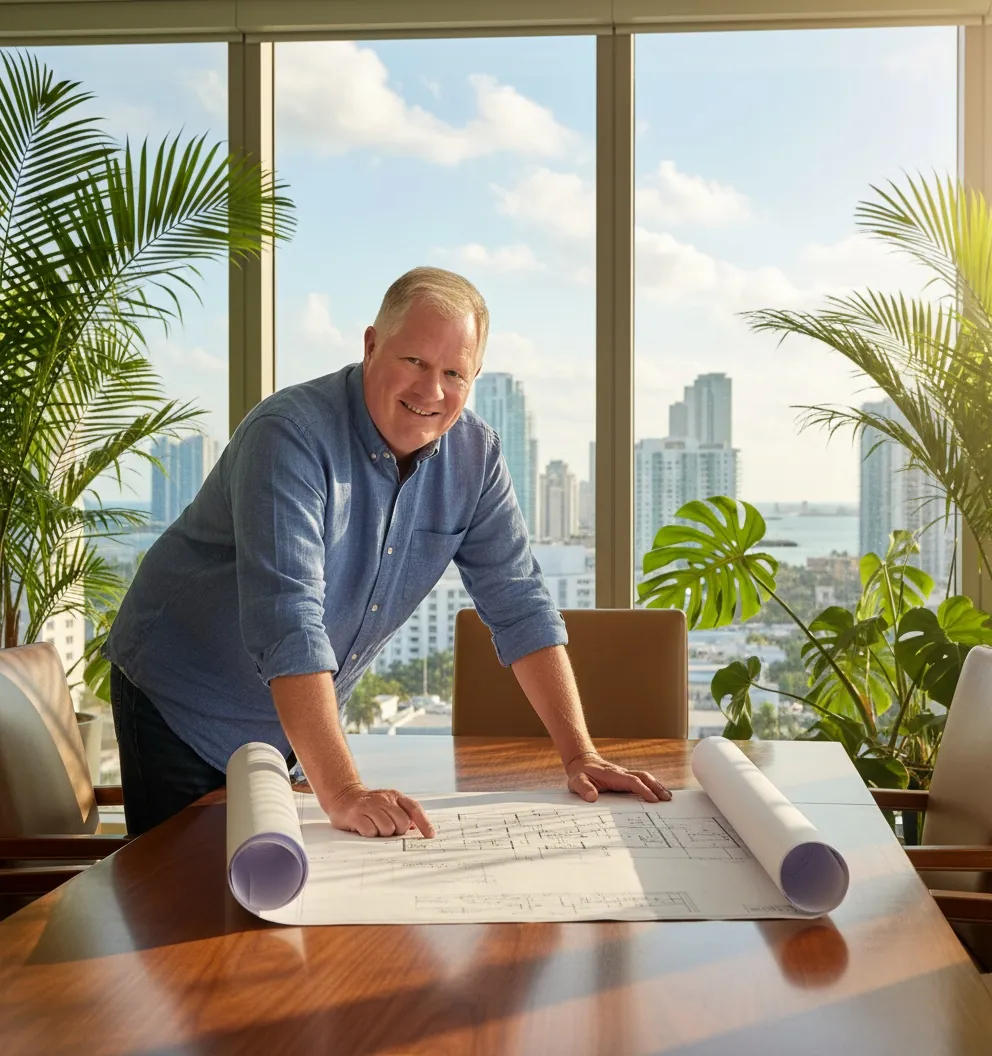
Ron reviewing real estate plans

Ready to talk through a deal?

Bring the address, the numbers, and the timeline. Ron will help you understand what is possible.

Call (727) 424-2720