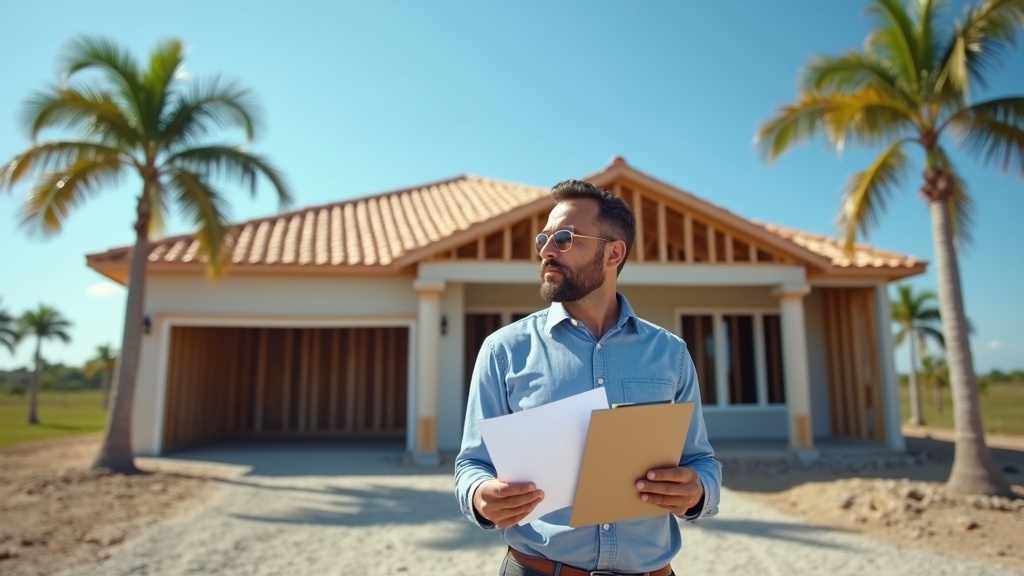
Hard money loans are short-term, property-focused loans used by real estate investors who need a practical answer faster than a traditional bank can usually provide. In Florida, that often means an investor is trying to buy a renovation property, bridge a timing gap, refinance into cash for another deal, or close on a property that does not fit conventional lending standards.
Ron Stevenson focuses on Florida west coast investment properties, especially from Sarasota north through Pasco County. The goal is not to turn every borrower into a bank file. The goal is to look at the property, the equity position, the timeline, and the exit plan, then decide whether the deal makes sense.
This page is the main hub for the hard money topic cluster. If you are new to private lending, start here, then use the linked supporting pages to go deeper on LTV, requirements, rates, fix-and-flip funding, bridge loans, and deal preparation.
What is a hard money loan?
A hard money loan is a private real estate loan secured by property. It is commonly used for investment properties, short-term projects, renovation deals, cash-out needs, and situations where the borrower needs a faster or more flexible review than a bank can offer.
Hard money is not usually designed to be a 30-year loan. It is a tool for a specific deal and a specific exit. The exit might be selling the property, refinancing after repairs, paying off the loan from another sale, or moving into longer-term financing after the property is stabilized.
How hard money is different from bank financing
A bank usually spends a lot of time on borrower income, debt ratios, credit standards, tax returns, and long-term repayment capacity. A hard money loan is more focused on the asset and the transaction. Income and credit may still be part of the conversation, but they are not usually the main decision points.
For a deeper comparison, see Hard Money vs. Bank Loans. The short version is simple: hard money exists because some real estate deals need speed, flexibility, and property-based judgment.
Who uses hard money in Florida?
Hard money is most often used by real estate investors, builders, landlords, portfolio owners, commercial property buyers, and borrowers with equity who need to move quickly. In Ron's market, that can include investors buying older homes in Tampa Bay, bridge borrowers in Pinellas or Pasco, cash-out borrowers with rental properties, and buyers looking at non-traditional properties that banks may not want to touch.
It can also help foreign national borrowers, commercial property buyers, and investors working with residential, multi-unit, mobile home, or distressed property opportunities.
Typical loan-to-value expectations
A typical hard money structure is around 65% loan-to-value. Higher LTVs may be considered case by case, depending on the property, the borrower plan, the exit strategy, and the strength of the overall deal. LTV is one of the most important numbers in private lending because it describes the relationship between the loan amount and the property value.
If you are new to this concept, start with What Is Loan-to-Value?. It supports almost every other hard money decision.
Common reasons Florida investors use hard money
- Buying a property that needs repairs before it can qualify for conventional financing.
- Funding a fix-and-flip purchase where speed affects whether the investor wins the deal.
- Using a bridge loan while another sale, refinance, or payoff is pending.
- Pulling equity from an existing property to fund another investment.
- Financing residential, commercial, multi-unit, mobile home, or distressed property situations that banks often avoid.
- Closing quickly on a local opportunity before another buyer steps in.
What Ron usually needs to review
Bring the address, purchase price or payoff, estimated value, requested loan amount, timeline, property condition, and your exit plan. Proof of insurance is generally needed. Sometimes one to two months of bank statements are requested to show cash flow. Taxes should be filed annually.
For a step-by-step version, read How Hard Money Loans Work and What Documents Do You Need for a Hard Money Loan?.
Property types Ron may consider
Ron may consider residential investment properties, commercial real estate, multi-unit properties, mobile homes, and distressed or non-traditional assets. The property does not need to be perfect, but the deal has to make sense. Value, marketability, insurance, title, and exit strategy all matter.
Florida west coast market focus
Ron is focused on Florida west coast investment properties from Sarasota north through Pasco County. That includes markets such as Sarasota, Bradenton, St. Petersburg, Clearwater, Largo, Pinellas Park, Tampa, Brandon, Wesley Chapel, and New Port Richey. Local market knowledge matters because value, buyer demand, renovation cost, and resale timing can change from one area to another.
How to think about rates and terms
Hard money pricing depends on the property and deal. LTV, property type, condition, loan size, timeline, title complexity, insurance, and exit plan can all affect structure. A borrower should not evaluate only the rate. The better question is whether the loan solves the deal problem and whether the exit is realistic.
For more detail, read Hard Money Loan Rates and Terms.
Questions to answer before calling
- What is the property address?
- What are you buying, refinancing, or cashing out?
- What is the estimated value?
- How much do you want to borrow?
- What is the property condition?
- What is the exit strategy?
- How quickly do you need to close?
Where this fits in the topic cluster
Related pages include Fix-and-Flip Loans, Fix-and-Flip Loans in Florida, Bridge Loans, Bridge Loans in Florida, Loan Requirements, Hard Money Loan Requirements, and Submit a Deal.
Frequently asked questions about Florida hard money loans
Can hard money be used for a primary residence?
Ron's site is focused on real estate investor lending. Hard money is most commonly used for investment property, commercial property, renovation projects, bridge needs, and cash-out situations tied to real estate investment. If a borrower is unsure whether a property fits, the simplest next step is to send the address and explain the intended use.
Does credit matter?
Credit is not usually the main approval factor. The property, equity, loan amount, and exit plan matter more. That does not mean every situation works. It means the review starts with the asset and the deal instead of a conventional bank checklist.
How fast can a hard money loan close?
Speed depends on the file. A clean property, clear title, proof of insurance, realistic value, and organized borrower information can move faster. Title issues, insurance delays, unclear ownership, missing payoff information, or an unrealistic exit can slow down even a strong property.
What is the biggest mistake borrowers make?
The biggest mistake is calling with only a general idea instead of a deal package. Ron does not need a perfect presentation, but he does need the address, numbers, timeline, property type, and exit. A prepared borrower gives the lender something real to evaluate.
Bottom line
Hard money is useful when a real estate deal has enough equity, a practical plan, and a clear exit. It is not a substitute for good numbers. It is a way to move faster on property-based opportunities that do not fit the slowest parts of traditional lending.