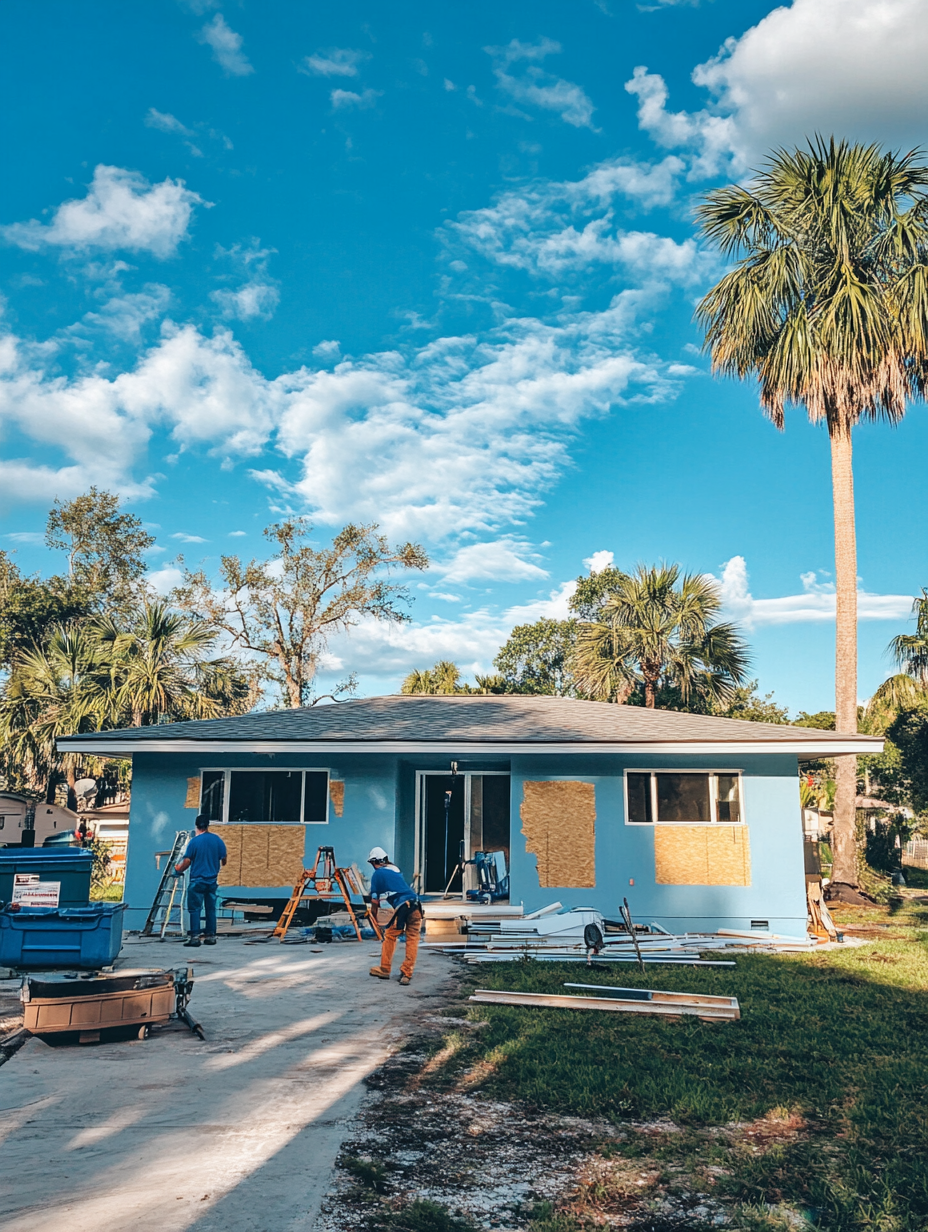
Fix-and-flip loans are designed for investors who buy a property, improve it, and sell it for a profit. In Florida west coast markets, the deal often depends on timing. A property may need work, the seller may want a fast close, or a bank may not be willing to lend until repairs are complete.
Hard money can help when the property has enough value and the investor has a realistic plan. Ron looks at the numbers behind the deal: purchase price, current condition, repair scope, after-repair value, requested loan amount, and exit strategy.
This page is the fix-and-flip pillar in the blog cluster. It connects to supporting content about repair budgets, ARV, common mistakes, LTV, requirements, and the practical information Ron needs before he can review a Florida flip.
What is a fix-and-flip loan?
A fix-and-flip loan is short-term real estate financing for buying and improving a property that the investor plans to resell. The loan is usually tied to the property, the investor's renovation plan, and the expected sale or refinance after the work is complete.
Unlike a long-term rental loan, a fix-and-flip loan has a clear project timeline. The borrower needs enough time to close, complete repairs, list the property, sell it, and pay off the loan.
What a fix-and-flip lender wants to understand
A lender needs to know whether the project makes sense before and after renovation. The current value matters, but so does the future resale plan. A strong request includes the address, purchase contract or payoff, estimated value, repair budget, target resale price, timeline, and backup exit.
The repair budget should be specific enough to show that the investor has walked the property carefully. Vague numbers slow down review because they make it harder to understand risk.
ARV and LTV both matter
ARV means after-repair value. It is the estimated value of the property after the planned work is complete. LTV means loan-to-value. Ron typically sees deals structured around 65% LTV, with higher LTVs considered case by case.
If you are comparing deal structures, read What Is Loan-to-Value? and Five Fix-and-Flip Loan Mistakes That Slow Down a Closing.
Why speed matters
In active markets, the best investment properties often go to buyers who can make a clear offer and close without a long underwriting process. That does not mean skipping diligence. It means organizing the facts quickly so the lender can decide whether the property and plan are strong enough.
Repair budgets need detail
A repair budget does not need to be perfect on the first call, but it should be thoughtful. Break out major categories such as roof, HVAC, electrical, plumbing, windows, flooring, kitchen, bath, exterior, permits, and contingency. A lender will want to know whether the investor understands the work and whether the budget supports the projected resale value.
Common properties that may fit
- Older homes that need cosmetic or functional updates.
- Vacant or distressed homes that banks avoid.
- Small residential investment properties with clear resale demand.
- Mobile homes or non-traditional properties when the equity position supports the loan.
- Properties in Tampa Bay, Sarasota, Bradenton, Pinellas, Pasco, and nearby markets where local value matters.
Common problems that slow down a flip loan
The biggest problems are usually unclear numbers, unsupported resale assumptions, delayed insurance, title surprises, and no believable exit plan. If a borrower says a property will be worth a certain amount after repairs, the lender needs to understand why. If the borrower expects to complete repairs quickly, the budget and scope should support that timeline.
What to send Ron
- Property address and city.
- Purchase price or payoff amount.
- Estimated current value and after-repair value.
- Repair budget and rough scope of work.
- Requested loan amount.
- Target closing date and expected project timeline.
- Exit plan, usually resale or refinance.
Florida market context
Florida west coast markets are not all the same. A flip in Tampa may have a different buyer pool than a flip in Bradenton, Largo, New Port Richey, or Sarasota. The renovation level, price point, and resale timeline should fit the local market, not just a spreadsheet.
How to prepare before calling
Have the numbers ready. Ron can give better feedback when you know the address, price, estimated value, repairs, requested loan amount, timeline, and sale or refinance plan. If you are ready, start with Submit a Deal.
Related pages include Fix-and-Flip Loans, Hard Money Loans in Florida, and Hard Money Loan Requirements.
Fix-and-flip loan FAQ
Can a fix-and-flip loan include repairs?
Some fix-and-flip structures may account for renovation needs, but the details depend on the deal. The repair scope, property value, borrower plan, and exit strategy all matter. The important thing is to bring a repair budget that is specific enough to review.
What if the property is distressed?
Distressed properties are one reason investors use hard money. A bank may not like a property with deferred maintenance, vacancy, or major repairs. Ron may still consider the deal if the value, equity, insurance, and exit make sense.
What if I am new to flipping?
Newer investors should be especially organized. Bring conservative numbers, realistic comparable sales, contractor input if available, and a backup plan. Experience helps, but clarity and equity are also important.
How does Ron evaluate local resale potential?
Local resale potential depends on the neighborhood, price point, property style, renovation level, and buyer demand. A project should be renovated to what the local market will reward, not to what looks good in a generic spreadsheet.
Bottom line
A strong fix-and-flip request is not just a property and a purchase price. It is a complete story: why the property is worth buying, what work is needed, what it should be worth after repairs, how long the project should take, and how the loan will be paid off.
How Ron thinks about flip risk
A flip is not judged only by the purchase price. Ron also has to think about whether the investor can complete the project, whether the resale plan fits the market, and whether the loan has enough equity protection if the project takes longer than expected. That is why the repair budget, ARV, insurance, and timeline all matter together.
A borrower who can explain the project clearly is easier to help than a borrower who only says the deal is good. Details create confidence.